Most homeowners do not think about their roof until something goes wrong. By then, what could have been a minor repair may have developed into extensive and expensive damage.
Here in the Lowcountry, roofs face year-round challenges. Blistering summer heat, hurricane-season wind and rain, salt air, heavy tree coverage and persistent humidity can accelerate shingle deterioration, algae growth and wood rot.
The good news is that many premature roofing problems are preventable. A consistent maintenance routine can add years to the life of your roof while helping you avoid costly repairs and premature replacement.
Here are six practical roof maintenance tips every Bluffton and Hilton Head homeowner should follow.
1. Schedule a Professional Roof Inspection Every Year
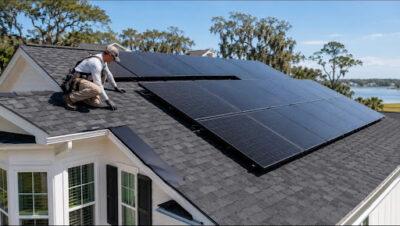
An annual professional inspection is the foundation of an effective preventive roofing plan.
A trained roofer can identify problems that are difficult or impossible to see from the ground, including:
- Cracked or deteriorated flashing
- Lifted, loose or damaged shingles
- Early-stage granule loss
- Cracked vent boots
- Soft or deteriorated roof decking
- Signs of moisture intrusion
- Improperly sealed roof penetrations
Catching these problems early gives you an opportunity to complete a targeted repair before water reaches your insulation, walls or ceilings.
For Lowcountry homeowners, fall is often a good time to schedule an inspection. It allows your roofing contractor to evaluate the effects of summer heat and hurricane-season weather before minor damage has more time to spread.
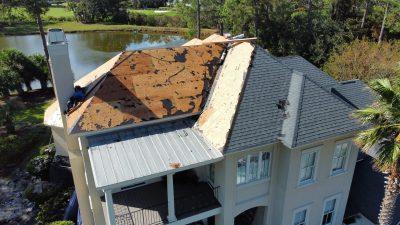
Following a major storm, an additional inspection may be worthwhile even when there is no obvious damage. Wind can loosen shingles and compromise flashing without creating an immediate leak or producing visible signs from the driveway.
If you notice missing shingles, ceiling stains or other concerns, learn more about roof repairs from Pro V Roofing.
2. Keep Your Gutters Clean and Properly Aligned
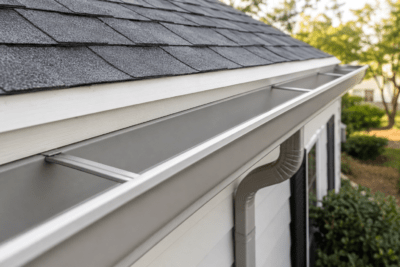
Gutters do more than prevent rain from pouring over the edge of your roof. They help move water safely away from the roofline, siding and foundation.
When gutters become clogged, water can collect along the roof edge or overflow against the fascia. Over time, this may contribute to:
- Fascia and soffit rot
- Shingle deterioration
- Damaged roof decking
- Exterior staining
- Foundation drainage problems
- Mold and mildew growth
Lowcountry tree canopies, pine needles, leaves and Spanish moss can fill gutters quickly. Most homeowners should clean their gutters at least twice a year—typically in the spring and fall. Homes surrounded by heavy tree coverage may need quarterly cleaning.
During cleaning, make sure the gutters remain securely attached and properly sloped toward the downspouts. Downspout extensions should generally carry water four to six feet away from the foundation whenever the property layout allows.
If your existing system is damaged or no longer draining correctly, explore Pro V Roofing’s gutter services.
3. Trim Trees Away From the Roofline
Trees provide valuable shade, but branches growing too close to the roof can cause two types of damage.
Direct roof damage
Overhanging branches can scrape across shingles during windy weather. This repeated contact wears away the protective granule layer and may loosen or damage individual shingles.
During a severe storm, larger branches can fall and puncture the roofing system or cause structural damage.
Debris and moisture accumulation
Leaves, pine needles, twigs and Spanish moss can collect in roof valleys and other low-flow areas. This debris holds moisture against the shingles, encouraging algae, moss and deterioration.
As a general preventive measure, keep branches approximately six feet away from the roofline when practical. Tree trimming is a relatively small maintenance expense that can prevent far more expensive roofing damage.
For large limbs or trees near power lines, always work with a qualified tree professional instead of attempting to remove them yourself.
4. Address Moss and Algae Before They Spread
Dark streaks across a roof are commonly associated with an algae known as Gloeocapsa magma. Green, textured patches may indicate moss, which can hold moisture directly against the roofing surface.
These growths are not simply cosmetic. Moss and accumulated organic material can retain moisture and contribute to shingle deterioration—especially in shaded areas that dry slowly.
Never use a standard high-pressure washer to clean asphalt shingles. Excessive pressure can remove protective granules, damage shingles and potentially conflict with the roofing manufacturer’s care requirements.
A professional soft-wash treatment uses roof-appropriate cleaning methods to treat organic growth without relying on damaging pressure. If your property experiences recurring algae problems, ask a roofing professional whether zinc or copper strips may be appropriate. When positioned near the ridge, these materials release small amounts of metal ions during rainfall that can help inhibit future growth.
Always confirm that any cleaning method is compatible with your specific roofing material and manufacturer’s warranty.
5. Check Attic Ventilation and Insulation
Roof maintenance is not limited to the exterior. Conditions inside the attic can have a major effect on the roofing system above it.
Poor attic ventilation can trap excessive heat and moisture.
During the summer, an inadequately ventilated attic can become extremely hot. That trapped heat may accelerate shingle aging from beneath the roof deck while also making it more difficult and expensive to cool the home.
Humidity creates another concern. When warm, moisture-heavy air collects in the attic, it can contribute to:
- Mold and mildew
- Damp or compressed insulation
- Condensation on framing
- Wood rot
- Roof-deck deterioration
Ask your roofer to evaluate attic ventilation during the annual inspection. The assessment should consider intake and exhaust ventilation, airflow obstructions, visible moisture and the condition of the insulation.
Improving airflow is not always complicated, but the correct solution depends on the home’s design and existing ventilation system.
6. Do Not Ignore Small Roof Repairs
A missing shingle, lifted piece of flashing or cracked vent boot may initially seem insignificant. Unfortunately, small openings can allow water to enter the roofing system every time it rains.
Once moisture gets below the shingles, the damage may spread to:
- Roof decking
- Attic insulation
- Rafters and framing
- Drywall and ceilings
- Interior paint
- Electrical components
- Areas vulnerable to mold growth
A relatively simple repair can become a much larger restoration project when it is postponed. Repair costs vary based on the roof, access and extent of damage, but early intervention is almost always more manageable than repairing widespread water intrusion.
If something looks different after a storm—or you notice a ceiling stain, musty attic odor or unexplained moisture—do not wait for the next heavy rain to investigate it.
Annual Lowcountry Roof Maintenance Checklist
Spring
- Clean the gutters and downspouts.
- Check for damage caused by winter weather.
- Trim branches growing near the roofline.
- Address visible algae or moss with an appropriate professional treatment.
- Inspect fascia, soffits and roof edges for moisture damage.
Summer
- Make sure the attic has adequate ventilation.
- Watch for lifted or missing shingles following storms.
- Check ceilings and attic areas for signs of moisture.
- Keep roof valleys clear of leaves, pine needles and other debris.
Fall
- Schedule a professional roof inspection.
- Clean gutters after leaves have fallen.
- Inspect flashing, vent boots and roof penetrations.
- Complete necessary repairs before minor damage spreads.
After a Major Storm
- Inspect the roof visually from the ground.
- Look for missing shingles, displaced metal or fallen branches.
- Check the attic and ceilings for moisture.
- Contact a roofing professional if you notice damage or have concerns.
Do not climb onto a wet, steep or storm-damaged roof. A ground-level check followed by a professional inspection is the safer approach.
Protect Your Roof Before a Small Problem Becomes a Major One
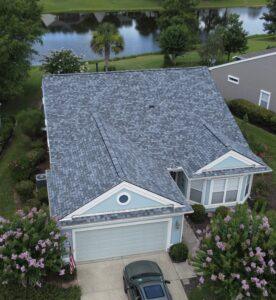
Your roof is one of the most important protective systems—and one of the largest investments—in your home. Preventive maintenance helps protect that investment by identifying damage early, managing moisture and reducing unnecessary wear.
Whether your roof is relatively new or approaching the end of its expected service life, an annual inspection provides a clearer understanding of its condition and the steps needed to maintain it.
Pro V Roofing provides residential roofing services for homeowners throughout Bluffton, Hilton Head Island, Okatie and surrounding Lowcountry communities.
Schedule your roof inspection today and take the first step toward extending the life of your roof.
Pro V Roofing proudly serves Bluffton, Hilton Head Island, Okatie and surrounding Lowcountry communities.
provroofs.com | Licensed & Insured | Serving the Lowcountry