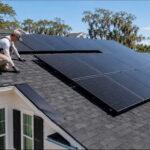
Hurricane season is part of living in the Lowcountry. When a storm approaches, homeowners prepare their properties, secure outdoor belongings and hope their roofs hold up against the wind and rain.
Once the storm passes, the next question is often less straightforward:
How do you know whether your roof was damaged?
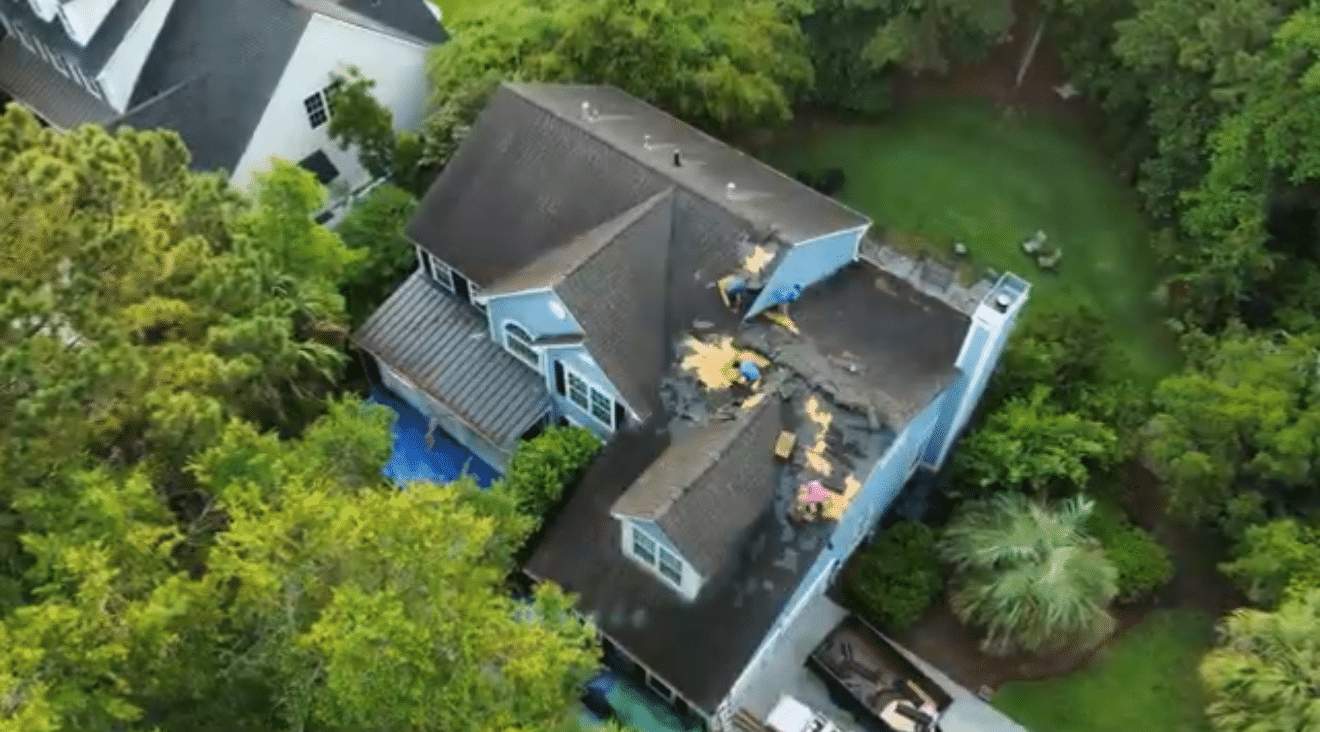
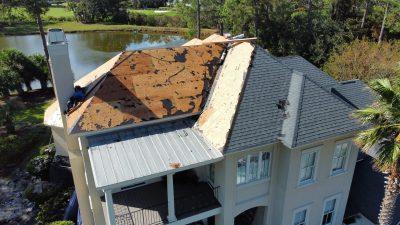
Storm damage is not always obvious. A fallen tree or missing section of roofing is easy to recognize, but wind can also lift shingles, loosen flashing and compromise seals without creating an immediate leak. Weeks or months may pass before the first ceiling stain appears.
Knowing what to look for—and what to do next—can help Bluffton and Hilton Head homeowners prevent minor storm damage from becoming a major roofing problem.
Storm Damage Is Not Always Visible From the Ground
A roof can appear intact from the driveway while still having damage that affects its ability to keep water out.
Hurricane-force winds and wind-driven rain may cause:
- Lifted or creased shingles
- Missing shingles
- Loosened flashing
- Cracked vent boots
- Damaged ridge caps
- Exposed roofing nails
- Compromised roof-to-wall transitions
- Punctures caused by branches or debris
- Water intrusion beneath apparently intact shingles
Some shingles may settle back into place after being lifted by wind. Even though they no longer look raised, their seals or internal structure may have been compromised.
That is why homeowners should not rely solely on a ground-level visual check after a major storm.
What to Check Immediately After a Hurricane
Only inspect your property when local officials have indicated that conditions are safe. Stay away from downed power lines, unstable trees, standing water and visibly damaged structures.
Once it is safe, walk around your property and look for the following warning signs.
Missing or displaced shingles
Look for bare sections, uneven shingle lines or roofing material in the yard. Even one missing shingle can expose the layers beneath it to water.
Damaged flashing or roof components
From the ground, check metal flashing around chimneys, roof edges and wall transitions. Also look for damaged vents, ridge caps, gutters or other pieces that appear loose or displaced.
Fallen branches and impact damage
A branch does not need to puncture the roof to cause damage. The impact can crack shingles or weaken the decking underneath.
Do not remove large branches from the roof yourself. Moving them could cause additional damage or create a serious safety risk.
Granules around downspouts
Asphalt shingles naturally lose some granules over time. However, a large amount collecting near downspouts after a storm may indicate accelerated surface wear or impact damage.
Water stains and interior moisture
Inspect ceilings, walls and the attic for:
- New stains or discoloration
- Damp insulation
- Wet roof decking
- Musty odors
- Peeling paint
- Dripping water
- Visible daylight through the roof
Water may travel along rafters or decking before becoming visible, so the interior stain may not be directly beneath the damaged area.
Do Not Climb Onto the Roof Yourself
After a hurricane, roofing surfaces may be wet, unstable or covered with loose debris. Damage to the decking may also be hidden beneath the shingles.
Homeowners should document what they can see safely from the ground and leave the roof-level inspection to a qualified professional.
A professional roofer can check areas that homeowners typically cannot evaluate, including shingle seals, flashing transitions, roof penetrations, decking condition and evidence of moisture intrusion.
If you suspect a problem, Pro V Roofing provides professional storm restoration services throughout Bluffton, Hilton Head and surrounding Lowcountry communities.
Why Prompt Inspections Matter
A small opening in a roofing system can allow water to enter every time it rains. Lowcountry heat and humidity can then make the resulting moisture problems worse.
Unaddressed storm damage may eventually lead to:
- Rotted roof decking
- Damaged insulation
- Ceiling and drywall stains
- Mold or mildew
- Damaged framing
- More extensive roof repairs
- Premature roof replacement
Scheduling an inspection does not automatically mean you need a new roof. A trustworthy roofer should explain what was found, distinguish cosmetic concerns from functional damage and recommend only the work that is necessary.
Some roofs need a targeted repair. Others may require more extensive restoration or replacement. The right recommendation depends on the roof’s age, materials and actual condition.
Document the Damage Before Making Temporary Repairs
Photograph visible damage as soon as it is safe to do so. Helpful documentation may include:
- Missing shingles
- Fallen trees or branches
- Damaged gutters or siding
- Debris around the property
- Interior water stains
- Wet insulation
- Damaged personal property
- Temporary protective measures
If emergency action is needed to prevent further water intrusion, keep photographs, written estimates, invoices and receipts.
Do not throw away damaged materials until you have confirmed whether your insurance carrier needs to inspect them.
Contact Your Insurance Carrier Promptly
Homeowners insurance policies vary. Coverage depends on the policy language, cause of damage, deductible, exclusions and other factors.
If you believe the storm damaged your roof, notify your insurance carrier promptly and follow its instructions for documenting and reporting the loss.
A roofing contractor can:
- Inspect the roofing system
- Photograph observed conditions
- Prepare a repair or replacement scope
- Explain the recommended roofing work
- Meet with an adjuster when appropriate
However, the insurance carrier makes the final coverage decision. Be cautious of anyone who promises that a claim will be approved or tells you that you are guaranteed a free roof.
Be Careful With Post-Storm Contractors
Major storms often bring an influx of contractors into affected communities. Some are reputable professionals responding to a genuine need. Others may use high-pressure tactics or disappear before warranty problems arise.
Before signing an agreement:
- Verify the company’s local presence.
- Request proof of insurance.
- Review the complete written scope of work.
- Ask who will complete and supervise the installation.
- Understand the payment schedule.
- Read the warranty terms.
- Confirm how unexpected decking damage will be handled.
- Avoid signing under pressure.
A roofing estimate should clearly explain what is included rather than relying on vague promises.
Pro V Roofing serves the Lowcountry year-round—not only after severe weather.
Repair or Replace? How the Decision Is Made
Storm damage does not always require a complete roof replacement.
A repair may be appropriate when the damage is limited, compatible materials remain available and the rest of the roof is in good condition.
Replacement may be recommended when:
- Damage affects a substantial portion of the roof.
- The roofing system is already near the end of its service life.
- Decking damage is widespread.
- Repairs would not provide a reliable long-term solution.
- Matching or integrating replacement materials is not practical.
- Applicable installation requirements call for a more extensive solution.
The goal should be to restore the roof’s protective function—not to sell the largest project possible.
Learn more about Pro V Roofing’s residential roofing services.
Prepare Before the Next Storm Arrives
The best time to discover a roofing weakness is before hurricane conditions reach the Lowcountry.
Before storm season intensifies:
- Schedule a professional roof inspection.
- Complete outstanding roof repairs.
- Clean and secure gutters.
- Trim branches away from the roofline.
- Check attic ventilation and signs of moisture.
- Photograph the roof and exterior for your records.
- Review your insurance policy and deductible.
- Save your roofer’s contact information.
Preventive maintenance cannot stop every form of storm damage, but it can help your roofing system enter hurricane season in the strongest possible condition.
Start With an Honest Roof Inspection
The period following a hurricane can feel overwhelming. You may be dealing with property damage, insurance questions and contractors offering conflicting recommendations.
Start with the facts.
A professional roof inspection can determine whether your roofing system remains secure, needs a targeted repair or requires a more extensive restoration. Clear documentation and an honest explanation make the next decision easier.
If a storm has affected your Bluffton, Hilton Head Island or Okatie property, contact Pro V Roofing to schedule a storm-damage roof inspection.
Pro V Roofing proudly serves Bluffton, Hilton Head Island, Okatie and surrounding Lowcountry communities.
provroofs.com | Licensed & Insured | Serving the Lowcountry